Tech
Acebot ESP 32 with IR Sensor: Complete 2026 Guide for Smart Robotics and IoT Projects

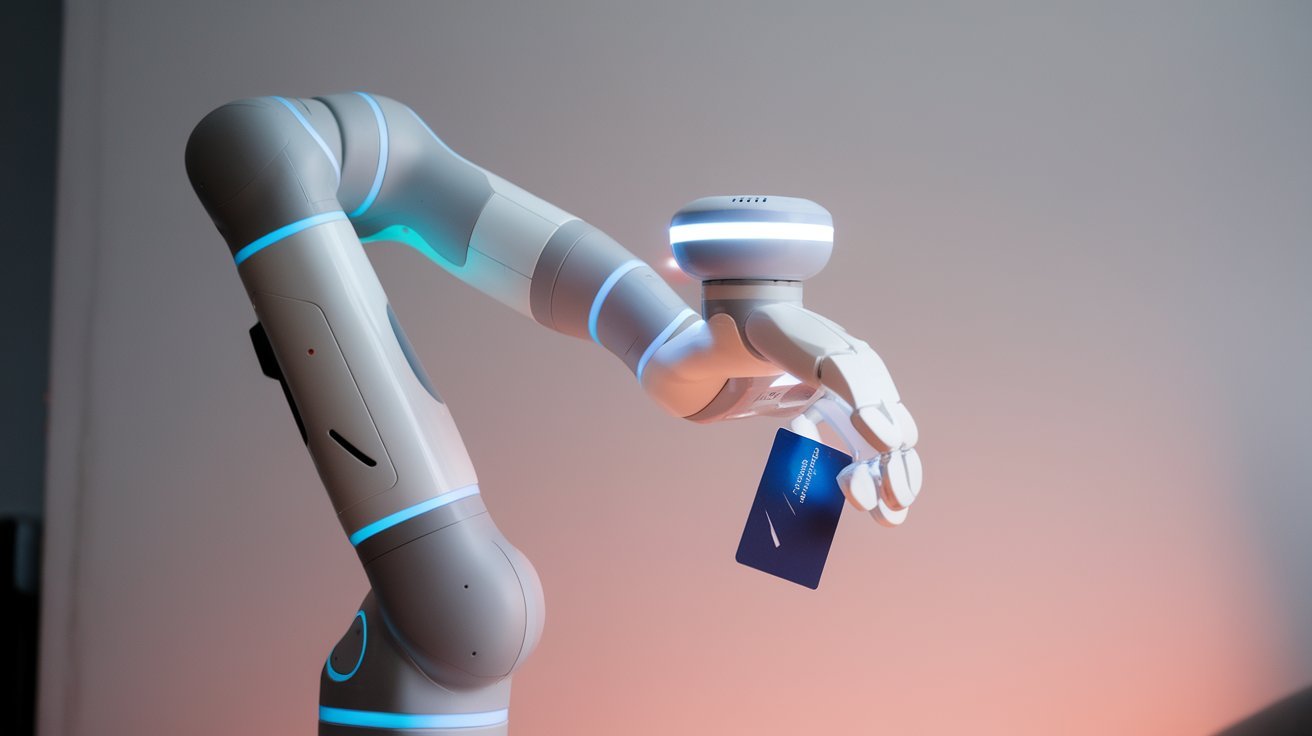
The world of robotics, automation, and Internet of Things (IoT) technology continues to evolve rapidly, and educational development platforms have become more powerful and accessible than ever before. Among the many solutions available to students, hobbyists, makers, and STEM educators, the Acebot ESP 32 with IR Sensor stands out as a versatile platform for learning programming, electronics, wireless communication, and intelligent robotics.
Combining the powerful ESP32 microcontroller with infrared sensing technology, Acebot kits provide users with an excellent foundation for creating smart robots, obstacle-avoidance systems, line-following vehicles, automation projects, and connected IoT applications. In 2026, these platforms remain popular because they offer a balance of affordability, functionality, and educational value.
Whether you are building your first robot or expanding your understanding of embedded systems, understanding how the Acebot ESP32 with IR Sensor works can help unlock countless project possibilities.
What Is the Acebot ESP 32 with IR Sensor?
The Acebot ESP 32 with IR Sensor is an educational robotics and development platform built around the powerful ESP32 microcontroller. It integrates infrared sensing capabilities that allow robots and electronic systems to detect objects, track lines, respond to environmental conditions, and perform intelligent navigation tasks.
The system typically includes:
- ESP32 development board
- Infrared sensors
- Motor driver modules
- Robotic chassis components
- Power management systems
- Wireless communication capabilities
- Programming support tools
The combination of advanced processing power and sensor technology enables users to create interactive and autonomous projects suitable for education, research, and hobby applications.
Understanding the ESP32 Microcontroller
The heart of the Acebot platform is the ESP32 microcontroller, one of the most widely used development boards in modern electronics.
The ESP32 offers several advanced features:
Dual-Core Processing
The microcontroller includes dual-core processing capabilities that support multitasking and complex project development.
Built-In Wi-Fi
Integrated wireless networking allows devices to connect directly to the internet or local networks.
Bluetooth Connectivity
Bluetooth functionality supports wireless communication between devices and mobile applications.
Multiple Input and Output Pins
The ESP32 provides flexible connectivity for sensors, motors, displays, and additional modules.
Low Power Operation
Efficient power management makes the platform suitable for battery-powered robotics projects.
These capabilities make the ESP32 an ideal choice for educational robotics and IoT applications.
How the IR Sensor Works
The IR (Infrared) sensor plays a crucial role in many Acebot projects.
Infrared sensors operate by emitting infrared light and detecting reflections from nearby objects. When an object is present, the reflected infrared signal is measured by the sensor, allowing the system to determine proximity or surface characteristics.
Object Detection
The sensor can identify obstacles positioned in front of a robot.
Line Tracking
IR sensors commonly detect contrast differences between dark and light surfaces, enabling line-following functionality.
Distance Awareness
Certain configurations allow robots to estimate the presence of nearby objects.
Automated Responses
The sensor data can trigger actions such as stopping, turning, or changing direction.
These functions provide the foundation for intelligent robotic behavior.
Key Features of Acebot ESP 32 with IR Sensor
Several features contribute to the popularity of the Acebot platform.
Wireless Connectivity
The integrated Wi-Fi and Bluetooth capabilities support advanced communication and remote control functions.
Programming Flexibility
Users can develop projects using multiple programming environments and coding languages.
Educational Design
The platform is specifically designed to help students learn coding, electronics, and engineering concepts.
Expandable Architecture
Additional sensors and modules can be integrated as project complexity increases.
Real-Time Data Processing
The ESP32 processes sensor inputs quickly, allowing responsive robot behavior.
Compact Form Factor
The compact design makes it suitable for mobile robotics and portable applications.
Together, these features create a highly versatile development environment.
Popular Projects Using Acebot ESP 32 with IR Sensor
One of the biggest advantages of the platform is its wide range of project possibilities.
Line Following Robot
Using IR sensors, the robot can detect a marked path and automatically follow it.
Obstacle Avoidance Robot
The robot identifies obstacles and adjusts its route to avoid collisions.
Smart Home Automation
The ESP32’s wireless capabilities allow integration with smart home systems and IoT devices.
Autonomous Navigation Systems
Sensor input enables robots to make decisions without direct user control.
Wireless Monitoring Devices
The platform can collect sensor data and transmit information through Wi-Fi networks.
Educational STEM Projects
Students use Acebot systems to learn programming logic, engineering design, and robotics fundamentals.
These applications demonstrate the platform’s versatility across multiple disciplines.
Benefits of Learning with Acebot ESP 32 and IR Sensors
Educational robotics platforms provide valuable learning opportunities.
Hands-On STEM Education
Students gain practical experience in science, technology, engineering, and mathematics.
Programming Skill Development
Projects help users understand coding structures, algorithms, and logical problem-solving.
Electronics Knowledge
Building and connecting components teaches essential electronics concepts.
Critical Thinking Enhancement
Troubleshooting and project optimization encourage analytical thinking.
Creativity and Innovation
Users can customize projects and develop unique solutions to engineering challenges.
Career Preparation
Skills learned through robotics projects often align with future opportunities in engineering, software development, automation, and technology fields.
These benefits make educational robotics increasingly valuable in modern learning environments.
Programming the Acebot ESP32 with IR Sensor
Programming is a central aspect of project development.
The process typically involves:
Reading Sensor Data
The microcontroller continuously monitors the infrared sensor outputs.
Processing Inputs
Software analyzes sensor information and determines appropriate responses.
Controlling Outputs
Motors, LEDs, displays, and other components respond according to programmed instructions.
Implementing Decision Logic
Conditional statements allow robots to react intelligently to changing environments.
Wireless Communication Integration
Wi-Fi and Bluetooth features can extend project functionality through remote monitoring and control.
As programming skills improve, users can develop increasingly sophisticated robotic systems.
Common Challenges and Troubleshooting Tips
Like any electronics platform, users may encounter challenges during development.
Sensor Calibration Issues
Incorrect sensor sensitivity settings can affect detection accuracy.
Power Supply Problems
Insufficient power may cause unstable operation or unexpected resets.
Programming Errors
Software bugs can prevent proper robot behavior.
Communication Failures
Wireless connectivity issues may require network configuration adjustments.
Motor Control Problems
Incorrect wiring or configuration can impact movement performance.
Systematic testing and troubleshooting help resolve most issues effectively.
Future of Acebot ESP32 Robotics in 2026 and Beyond
As robotics and IoT technologies continue advancing, platforms like Acebot are expected to incorporate increasingly sophisticated features.
Emerging trends include:
- Artificial intelligence integration
- Machine learning applications
- Advanced sensor fusion
- Cloud connectivity
- Smart automation systems
- Autonomous navigation improvements
The ESP32 ecosystem continues to evolve, ensuring long-term relevance for educational and development projects.
Conclusion
The Acebot ESP 32 with IR Sensor provides an excellent platform for learning robotics, programming, automation, and IoT development. By combining the powerful ESP32 microcontroller with versatile infrared sensing capabilities, users can create projects ranging from simple line-following robots to advanced wireless automation systems. Its flexibility, educational value, and expandability make it a popular choice among students, hobbyists, educators, and technology enthusiasts. As robotics technology continues to advance in 2026, platforms like Acebot remain important tools for developing practical skills and exploring the future of intelligent systems.
Frequently Asked Questions (FAQ)
What is the Acebot ESP 32 with IR Sensor?
It is a robotics and educational development platform that combines an ESP32 microcontroller with infrared sensing technology.
What can IR sensors do in robotics projects?
They can detect obstacles, follow lines, measure proximity, and support autonomous navigation.
Why is the ESP32 popular for robotics?
The ESP32 offers powerful processing, Wi-Fi, Bluetooth, and flexible input/output capabilities.
Can beginners use the Acebot ESP32 platform?
Yes. It is widely used in STEM education and beginner-friendly robotics projects.
What programming skills are needed?
Basic programming knowledge is helpful, but many educational resources support beginners.
What types of projects can be built?
Common projects include line-following robots, obstacle-avoidance robots, smart home systems, wireless monitoring devices, and IoT applications.
Tech
Science Olympiad Hovercraft: Complete 2026 Guide to Design, Construction, and Competition Success
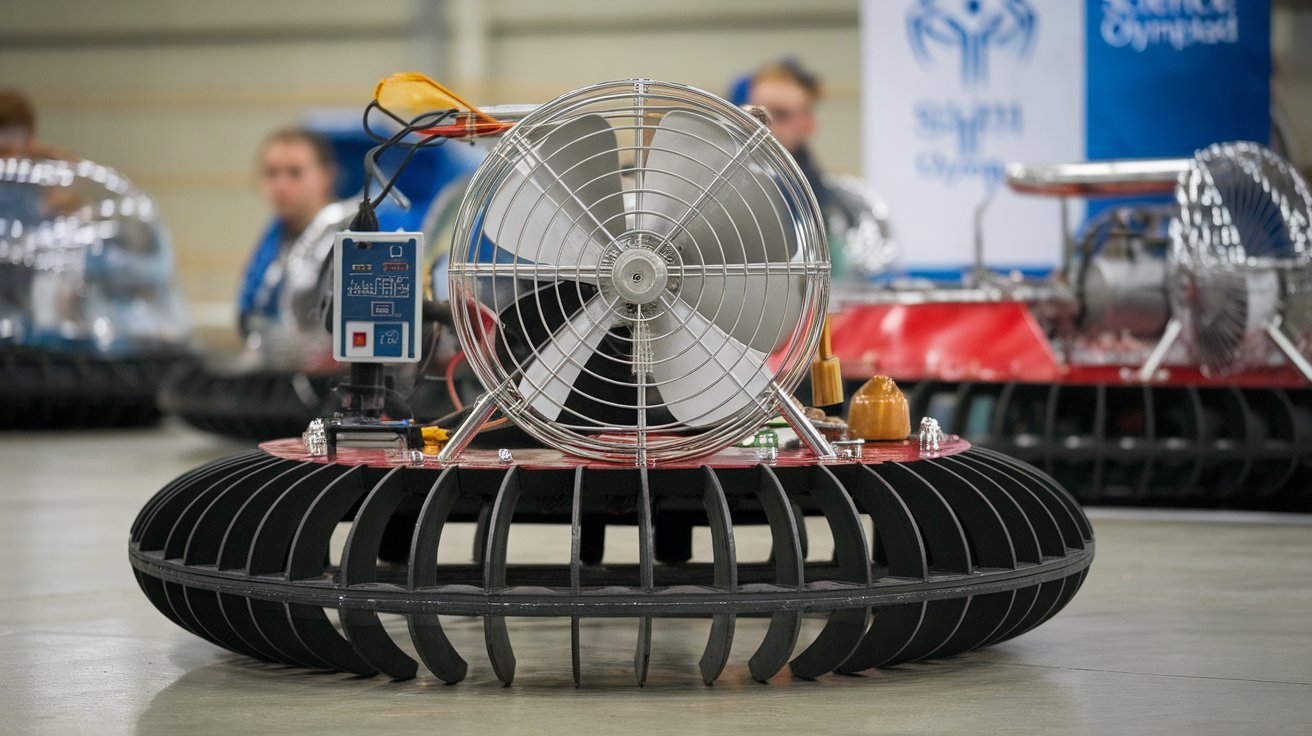
The Science Olympiad Hovercraft event combines engineering, physics, creativity, and problem-solving into one exciting competition. Students participating in Science Olympiad challenges are tasked with designing, building, and testing hovercrafts that can travel efficiently while demonstrating an understanding of scientific principles. The event encourages teamwork, innovation, and hands-on learning, making it one of the most engaging engineering competitions in academic science programs.
As Science Olympiad competitions continue to evolve in 2026, hovercraft-related events remain an excellent opportunity for students to apply classroom knowledge to real-world engineering challenges. Participants learn about aerodynamics, friction, propulsion, stability, and design optimization while developing valuable STEM skills that can support future academic and career success.
Whether you are a first-time competitor, coach, teacher, or parent, understanding the fundamentals of the Science Olympiad Hovercraft event can help teams improve performance and maximize their chances of success.
What Is a Science Olympiad Hovercraft?
A hovercraft is a vehicle designed to travel over a cushion of air. Instead of relying entirely on wheels or direct contact with the ground, a hovercraft uses airflow to lift itself slightly above the surface.
In Science Olympiad competitions, students typically design and build small-scale hovercrafts capable of completing specific tasks or navigating designated courses.
The event often focuses on:
- Engineering design
- Physics principles
- Vehicle performance
- Stability control
- Accuracy
- Efficiency
- Problem-solving skills
Participants must understand both the theoretical and practical aspects of hovercraft operation while meeting competition requirements.
The challenge lies in creating a hovercraft that performs consistently under testing and competition conditions.
How a Hovercraft Works
The operating principle behind a hovercraft is relatively simple but scientifically fascinating.
A hovercraft uses a fan or propulsion system to force air beneath the vehicle. This air creates a cushion that lifts the craft slightly above the surface, reducing friction.
The basic components include:
Lift System
The lift mechanism generates airflow beneath the craft, allowing it to hover above the ground.
Propulsion System
A separate fan or motor provides forward movement.
Skirt or Air Cushion Area
Many hovercraft designs include a structure that helps contain air beneath the vehicle.
Frame and Body
The body provides support for motors, batteries, and structural components.
Because friction is significantly reduced, even a small propulsion force can move the hovercraft efficiently across smooth surfaces.
Scientific Principles Behind Hovercraft Performance
The Science Olympiad Hovercraft event allows students to explore several important scientific concepts.
Air Pressure
Hovercraft operation depends on creating higher air pressure beneath the vehicle than in the surrounding environment.
Newton’s Laws of Motion
Movement, acceleration, and directional changes all demonstrate Newtonian physics principles.
Friction Reduction
The air cushion minimizes contact between the craft and the surface, reducing resistance.
Aerodynamics
The shape and design of the hovercraft influence airflow efficiency and stability.
Energy Transfer
Electrical energy from batteries is converted into mechanical energy that powers the lift and propulsion systems.
Understanding these principles helps competitors make informed design decisions during construction and testing.
Key Components of a Science Olympiad Hovercraft
Successful hovercraft designs typically include several essential elements.
Lightweight Chassis
Weight reduction improves efficiency and allows the lift system to operate more effectively.
Popular materials include:
- Foam board
- Lightweight plastics
- Balsa wood
- Composite materials
Electric Motors
Motors provide power for lift generation and forward propulsion.
Propellers or Fans
These components move air and create the forces required for hovering and movement.
Battery System
Reliable power sources ensure consistent performance throughout competition runs.
Control Mechanisms
Depending on competition rules, steering systems may help improve maneuverability and precision.
Every component contributes to overall performance and should be carefully selected and optimized.
How to Design an Effective Science Olympiad Hovercraft
Design plays a critical role in competition success.
Focus on Weight Reduction
Lighter hovercrafts generally require less lift force and consume less energy.
Balance the Center of Gravity
Proper weight distribution improves stability and reduces unwanted tilting during operation.
Optimize Airflow
Efficient airflow beneath the craft helps maximize lift while minimizing power consumption.
Select Appropriate Motors
Motor selection should match the hovercraft’s size, weight, and competition objectives.
Minimize Drag
Reducing unnecessary air resistance can improve speed and efficiency.
Testing multiple design variations often leads to valuable performance improvements.
Common Challenges in Science Olympiad Hovercraft Competitions
Building a hovercraft may appear straightforward, but competitors often encounter several engineering challenges.
Insufficient Lift
If the lift system cannot generate enough air pressure, the hovercraft may struggle to hover properly.
Poor Stability
Uneven weight distribution can cause wobbling or tipping during operation.
Limited Control
Maintaining accurate movement and direction can be difficult without proper steering solutions.
Battery Performance Issues
Weak batteries may reduce motor output and negatively affect performance.
Surface Variations
Different competition surfaces can influence hovercraft behavior and efficiency.
Addressing these challenges requires careful testing, troubleshooting, and design refinement.
Testing and Improving Hovercraft Performance
The best Science Olympiad teams devote significant time to testing and optimization.
Conduct Repeated Trials
Multiple test runs help identify performance patterns and potential weaknesses.
Record Data
Important measurements may include:
- Travel distance
- Speed
- Stability
- Battery life
- Accuracy
Adjust Design Variables
Small modifications can produce significant improvements in performance.
Analyze Failures
Unexpected results often provide valuable information for future improvements.
Practice Competition Conditions
Simulating actual event environments helps teams prepare more effectively.
Continuous testing is often the difference between average and exceptional competition results.
Benefits of Participating in the Science Olympiad Hovercraft Event
Beyond competition success, students gain valuable educational experiences.
Hands-On Engineering Skills
Participants learn practical design, construction, and testing techniques.
Problem-Solving Development
Engineering challenges encourage analytical thinking and creative solutions.
Teamwork Experience
Most Science Olympiad events require collaboration and effective communication.
STEM Career Preparation
Students gain exposure to concepts used in engineering, physics, robotics, and technology careers.
Confidence Building
Successfully designing and operating a hovercraft can strengthen confidence and motivation.
These benefits make the event a rewarding educational opportunity regardless of competition outcomes.
Future of Hovercraft Technology and STEM Education
The principles explored in Science Olympiad hovercraft events remain relevant to modern engineering.
Advancements in:
- Autonomous vehicles
- Air-cushion transportation
- Robotics
- Aerospace engineering
- Electric propulsion systems
continue to rely on many of the same scientific concepts students encounter during hovercraft competitions.
As STEM education becomes increasingly important, hands-on events like Science Olympiad provide valuable experiences that connect theoretical learning with practical application.
Conclusion
The Science Olympiad Hovercraft event offers students an exciting opportunity to explore engineering, physics, and design through hands-on experimentation and competition. By understanding air pressure, friction reduction, propulsion systems, and aerodynamic principles, participants can create hovercrafts that perform efficiently and reliably. Success requires careful planning, testing, optimization, and teamwork, making the event both educational and rewarding. In 2026, Science Olympiad hovercraft competitions continue to inspire innovation, critical thinking, and a deeper appreciation for the scientific principles that power modern technology.
Frequently Asked Questions (FAQ)
What is a Science Olympiad Hovercraft?
A Science Olympiad Hovercraft is a student-designed vehicle that travels on a cushion of air and is used in engineering-focused academic competitions.
How does a hovercraft reduce friction?
The craft rides on a layer of pressurized air that reduces direct contact with the surface, minimizing friction.
What materials are commonly used to build hovercrafts?
Foam board, lightweight plastics, balsa wood, electric motors, and propellers are frequently used.
Why is weight important in hovercraft design?
Lighter hovercrafts require less lift force and often perform more efficiently.
What scientific concepts are involved in hovercraft competitions?
Key concepts include air pressure, aerodynamics, energy transfer, friction reduction, and Newton’s laws of motion.
How can teams improve hovercraft performance?
Through repeated testing, data analysis, design adjustments, and optimization of airflow, weight distribution, and propulsion systems.

The internet offers countless platforms dedicated to entertainment, technology, and digital trends, but gadgetfreeks.com has attracted attention from readers looking for diverse online content. Whether someone is interested in technology updates, entertainment news, web series information, or digital lifestyle topics, understanding what makes this platform appealing helps users make better use of the information it provides. This guide explores its features, strengths, content categories, user experience, and the reasons behind its growing recognition.
Understanding gadgetfreeks.com
As online content continues to evolve, readers increasingly look for websites that present information in an organized, accessible, and engaging manner. gadgetfreeks.com is recognized by many internet users as a platform covering multiple topics rather than focusing on a single niche.
Instead of limiting itself to one category, the platform appeals to a broad audience by publishing articles related to entertainment, technology, streaming platforms, digital culture, gaming, and other trending subjects. This variety allows visitors to explore different interests without switching between multiple websites.
The increasing popularity of gadgetfreeks.com reflects a wider trend in digital publishing where readers appreciate platforms that combine timely updates with easy-to-read content.
Why Multi-Niche Websites Continue to Grow
Modern internet users consume information differently than they did just a few years ago. Instead of visiting separate websites for every topic, many prefer platforms that offer multiple categories under one roof.
Several factors explain this growing preference.
Convenience
Readers appreciate finding different types of content on a single platform. A visitor may begin by reading about a new smartphone and then continue exploring entertainment or gaming articles.
Time Savings
Browsing one comprehensive website is often more efficient than searching through multiple sources for related information.
Broader Audience Appeal
Websites that cover diverse topics naturally attract visitors with different interests, increasing overall engagement.
Regular Updates
Frequent publication of fresh content encourages readers to return regularly and stay informed about the latest developments.
These characteristics contribute to the continued interest in platforms such as gadgetfreeks.com.
Major Content Categories
One reason gadgetfreeks.com appeals to many readers is the diversity of its content. Covering multiple categories allows the platform to reach a wide audience with varying interests.
Technology News
Technology remains one of the most dynamic industries in the world. Readers constantly seek updates about smartphones, laptops, software, applications, and digital innovations.
Technology-focused articles typically explain new developments in a way that is accessible to both beginners and experienced users.
Entertainment Coverage
Movies, television shows, streaming content, celebrity news, and web series continue to generate enormous public interest. Entertainment articles help readers stay informed about new releases, upcoming seasons, cast information, and industry developments.
This category often attracts users searching for the latest updates on popular productions.
Gaming
Gaming has become a major part of digital culture. Many readers enjoy learning about upcoming game releases, gameplay features, reviews, updates, and industry news.
The gaming section offers information that appeals to casual players as well as dedicated enthusiasts.
Digital Lifestyle
Technology influences nearly every aspect of modern life. Articles covering productivity, online tools, digital habits, mobile applications, and internet trends provide practical value for everyday users.
What Makes gadgetfreeks.com Appealing
Every successful website develops characteristics that encourage visitors to return. Several qualities contribute to the growing interest in gadgetfreeks.com.
Wide Topic Selection
Readers rarely have only one interest. A website that combines technology, entertainment, gaming, and digital lifestyle topics naturally serves a broader audience.
Easy-to-Read Content
Online readers often scan articles before reading them completely. Clear headings, organized sections, and straightforward language improve the reading experience.
Consistent Publishing
Fresh content encourages repeat visits. Readers appreciate websites that regularly publish new articles covering current trends.
Reader Accessibility
Content written in an understandable style makes information more useful for a wider audience, regardless of technical expertise.
Benefits for Different Types of Readers
Different users visit gadgetfreeks.com for different reasons.
Technology Enthusiasts
People interested in digital innovation can stay informed about changing technology trends.
Entertainment Fans
Readers who enjoy movies, television series, and streaming content benefit from timely updates and informative articles.
Casual Internet Users
Many visitors simply enjoy discovering interesting topics during their daily browsing.
Students
Students researching technology or media trends may find introductory information useful for understanding broader subjects.
How Content Quality Influences Reader Trust
Content quality remains one of the strongest factors influencing website credibility.
Several elements contribute to a positive reading experience.
Clear Organization
Logical headings help readers locate information quickly.
Readable Language
Simple explanations improve understanding without sacrificing accuracy.
Balanced Coverage
Presenting information objectively increases reader confidence.
Updated Information
Regularly refreshed articles remain more relevant as industries evolve.
These characteristics support the reputation of websites that prioritize user experience.
SEO and Content Strategy
Strong search engine visibility depends on much more than repeating keywords. Successful content provides value while remaining easy to understand.
When discussing gadgetfreeks.com, several SEO principles remain important.
Focus on User Intent
Readers usually search because they want answers, not unnecessary repetition.
Use Descriptive Headings
Organized content improves readability and navigation.
Maintain Natural Keyword Placement
Keywords should appear where they fit naturally within the discussion.
Encourage Engagement
Useful information encourages visitors to spend more time reading and exploring additional content.
Common Reasons Readers Return
Loyal readers often revisit websites that consistently meet their expectations.
Some common reasons include:
Fresh Updates
New content gives readers a reason to return frequently.
Diverse Information
Covering multiple categories keeps browsing interesting.
Practical Value
Articles that answer real questions create lasting usefulness.
Easy Navigation
A well-structured layout improves the overall experience and helps visitors locate relevant topics quickly.
These qualities contribute to the continued interest in gadgetfreeks.com among a broad online audience.
Challenges for Modern Digital Platforms
The internet becomes more competitive every year. Websites covering technology and entertainment face several ongoing challenges.
Increasing Competition
Thousands of websites publish similar content daily. Standing out requires originality and consistency.
Changing Search Algorithms
Search engines continuously improve how they evaluate content quality, rewarding useful and well-organized articles.
Reader Expectations
Today’s audiences expect accurate information, attractive presentation, and regular updates.
Mobile Accessibility
Most internet browsing now occurs on smartphones, making mobile-friendly content increasingly important.
Successfully addressing these challenges supports long-term growth and audience retention.
Tips for Getting the Most Value
Readers can improve their browsing experience by approaching online content thoughtfully.
Follow topics that genuinely match your interests rather than trying to consume everything at once. Compare information across articles to gain a broader understanding of a subject. Stay open to discovering new categories, as websites with varied content often introduce readers to topics they might not have explored otherwise.
Making use of search features and category pages also helps users locate the information they need more efficiently. Returning periodically allows readers to stay updated as new articles are published.
The Future of gadgetfreeks.com
As digital publishing continues to evolve, websites that successfully balance quality, variety, and readability are well positioned for continued growth. gadgetfreeks.com has the opportunity to expand its audience by maintaining consistent publishing standards, adapting to changing reader interests, and covering emerging topics across technology and entertainment.
Future success will likely depend on delivering valuable content that answers readers’ questions while remaining accessible to both newcomers and experienced users. As online habits continue to change, platforms that prioritize user experience and informative writing are more likely to remain relevant.
Innovation in digital media also creates opportunities to introduce new content formats, improve navigation, and enhance the overall reading experience. By evolving alongside audience expectations, gadgetfreeks.com can continue attracting readers interested in timely, engaging, and informative articles.
Conclusion
In an increasingly crowded digital landscape, readers appreciate websites that combine variety, clarity, and useful information. gadgetfreeks.com stands out by covering multiple topics that appeal to technology enthusiasts, entertainment followers, gamers, and general internet users alike. Its broad content selection, readable style, and commitment to keeping readers informed contribute to its growing popularity.
As online publishing continues to evolve, platforms that emphasize quality over quantity and prioritize user experience are more likely to earn lasting trust. Whether someone visits to explore technology updates, entertainment news, gaming insights, or digital lifestyle articles, gadgetfreeks.com offers a convenient destination for discovering a wide range of engaging content. By continuing to adapt to changing trends while maintaining informative and accessible articles, it can remain a valuable resource for readers seeking reliable and enjoyable online information.
Meta Description: Explore gadgetfreeks.com, its features, content categories, benefits, and why it has become a popular destination for technology and entertainment readers.

Hanging Hardie Siding: A Complete Guide to Installing Fiber Cement Siding in 2026

Anne Kolb Center: Complete Guide to Trails, Wildlife, Kayaking, Tower, Aquarium, and 2026 Visits

Bay Window Installation: Complete 2026 Guide to Cost, Process, Design, and Professional Installation

Pyjamaspapper: The Complete Guide to Comfort, Style, and Better Sleep

Oversight vs Oversite: What’s the Difference? Correct Meaning, Usage, Examples, and Common Mistakes

Oversite or Oversight: What’s the Difference? Meaning, Correct Usage, Examples, and Common Mistakes
 Lifestyle3 months ago
Pyjamaspapper: The Complete Guide to Comfort, Style, and Better Sleep
- Business3 months ago
Oversight vs Oversite: What’s the Difference? Correct Meaning, Usage, Examples, and Common Mistakes
- Business3 months ago
Oversite or Oversight: What’s the Difference? Meaning, Correct Usage, Examples, and Common Mistakes
- Business3 months ago
kompama: A Complete Guide to Understanding Its Meaning, Purpose, and Potential
- Health3 months ago
Aleksandra Plus: A Complete Guide to Features, Benefits, and Uses
- Tech3 months ago
gadgetfreeks.com: A Complete Guide to Its Features, Content, and Growing Popularity
- Education3 months ago
Studiae: The Complete Guide to Academic Excellence, Learning, and Intellectual Growth
- Entertainment3 months ago
Play BattleSquare.com.The Complete Guide to Online Strategy Gaming