
Blog
CK2Generator: The Complete Guide to Crusader Kings II Character and World Generation Tools in 2026


For fans of grand strategy gaming, few titles have achieved the lasting popularity of Crusader Kings II (CK2). Released by Paradox Interactive, the game transformed the strategy genre by combining medieval politics, dynasty management, warfare, diplomacy, intrigue, and role-playing elements into a single immersive experience. As the game’s community grew, players began seeking tools that could enhance customization and create unique gameplay experiences. One such tool that gained attention is CK2Generator.
The term CK2Generator is commonly associated with utilities, mods, and online tools designed to generate custom characters, dynasties, rulers, family trees, coats of arms, scenarios, and world-building elements for Crusader Kings II. These generators allow players to personalize their campaigns and create entirely new stories within the game’s medieval setting.
In 2026, despite the release of newer strategy titles, Crusader Kings II maintains a dedicated player base. Many players continue using CK2Generator tools to add creativity, replayability, and customization to their gaming sessions. This guide explores everything about CK2Generator, its features, benefits, usage, and continuing relevance within the strategy gaming community.
What Is CK2Generator?
CK2Generator generally refers to a collection of tools, applications, scripts, and community-created resources designed to generate content for Crusader Kings II.
Rather than manually creating every detail of a custom ruler or dynasty, players can use CK2Generator systems to automatically generate:
- Custom characters
- Medieval dynasties
- Noble houses
- Family trees
- Historical-style names
- Kingdom concepts
- Coat of arms designs
- Story backgrounds
- Randomized scenarios
The purpose of these generators is to save time while inspiring creative gameplay.
Many CK2 players enjoy role-playing and storytelling. A generator can instantly provide unique characters and backgrounds that serve as the foundation for an entirely new campaign.
Instead of starting with existing historical rulers, players can create completely original dynasties and shape their own medieval legends.
Why CK2Generator Is Popular Among Crusader Kings II Players
One reason CK2Generator remains popular is the immense freedom it provides.
Crusader Kings II is known for its sandbox-style gameplay. Every campaign unfolds differently based on player decisions, character traits, alliances, marriages, wars, and random events.
Generators enhance this freedom by introducing new possibilities.
Popular reasons players use CK2Generator include:
Greater Replayability
Every generated character creates a different story.
Unique Role-Playing Opportunities
Players can create rulers with distinctive personalities, ambitions, and family histories.
Faster Campaign Setup
Instead of manually designing complex dynasties, generators provide instant results.
Creative Inspiration
Generated scenarios often inspire campaigns that players would never have considered otherwise.
Custom World Building
Some generators help create entirely fictional medieval settings.
These advantages have made CK2Generator a valuable resource for both casual players and dedicated role-playing enthusiasts.
Key Features of CK2Generator Tools
Different CK2Generator platforms offer varying levels of functionality. However, most include several core features.
Character Generation
The most common feature is custom character creation.
Generators can provide:
- Name
- Gender
- Religion
- Culture
- Traits
- Attributes
- Age
- Background stories
This allows players to begin campaigns with unique rulers rather than relying solely on historical characters.
Dynasty Creation
Many generators create entire noble houses.
Generated details may include:
- Dynasty names
- Family mottos
- House histories
- Heraldry concepts
- Succession structures
Random Scenario Building
Advanced tools can generate political situations involving:
- Rival kingdoms
- Religious conflicts
- Family disputes
- Claims and inheritance issues
World-Building Assistance
Some CK2Generator resources assist players in developing fictional medieval worlds complete with custom kingdoms and noble lineages.
These features significantly expand creative possibilities within the game.
How CK2Generator Improves Role-Playing Experiences
One of the strongest appeals of Crusader Kings II is its emphasis on storytelling.
Unlike traditional strategy games that focus primarily on military conquest, CK2 encourages players to build narratives around their rulers and dynasties.
CK2Generator supports this style of gameplay by generating rich character concepts and backgrounds.
For example, a generated ruler might include:
- A disgraced noble heritage
- A claim to a distant throne
- Religious ambitions
- Family rivalries
- Secret relationships
- Political challenges
These details help players create personal stories rather than simply pursuing map expansion.
Many role-players enjoy documenting their campaigns through screenshots, journals, videos, and online forums. Generated characters often provide compelling starting points for these narratives.
As a result, CK2Generator has become particularly popular among content creators and storytelling-focused gamers.
Benefits for Modders and Content Creators
Beyond regular gameplay, CK2Generator offers significant benefits for mod developers and creative community members.
Custom Mod Development
Modders frequently need large numbers of unique characters and noble families.
Generators can accelerate this process by producing:
- Character templates
- Family trees
- Historical-style names
- Dynasty concepts
YouTube and Streaming Content
Content creators often seek unique campaign ideas.
Randomly generated rulers provide fresh challenges that make videos more entertaining.
Fan Fiction and Storytelling
Writers creating Crusader Kings-inspired stories can use generated content to develop original characters and settings.
Community Events
Online communities sometimes organize multiplayer campaigns featuring randomly generated rulers and dynasties.
This creates balanced starting conditions while increasing unpredictability.
These applications demonstrate that CK2Generator extends beyond gaming and contributes to the broader creative ecosystem surrounding Crusader Kings II.
Why Crusader Kings II Remains Relevant in 2026
Even though newer strategy games have emerged, Crusader Kings II continues maintaining a loyal fan base.
Several factors contribute to its ongoing popularity:
Deep Strategic Gameplay
Players manage politics, warfare, religion, economics, and family relationships simultaneously.
Strong Modding Community
Thousands of mods continue expanding the game’s possibilities.
Rich Storytelling Mechanics
Every campaign produces unique narratives.
Accessible Entry Point
Many players continue discovering the game through digital storefronts and community recommendations.
Endless Replay Value
Randomized events and dynamic character interactions ensure no two campaigns feel identical.
Tools like CK2Generator further enhance this replayability by introducing fresh characters and scenarios for every playthrough.
For many strategy enthusiasts, Crusader Kings II remains one of the most immersive grand strategy experiences ever created.
The Future of CK2Generator and Community Tools
The future of CK2Generator remains promising because player creativity continues driving demand for customization tools.
Potential developments include:
- AI-assisted character generation
- Enhanced dynasty builders
- Advanced family-tree creators
- Dynamic story generators
- Improved heraldry design systems
- Integration with modding platforms
Artificial intelligence may eventually allow generators to create highly detailed character biographies, realistic political relationships, and historically inspired scenarios automatically.
These advancements could make future CK2Generator tools even more powerful than current versions.
As gaming communities increasingly embrace user-generated content, customization platforms will likely remain an important part of the Crusader Kings ecosystem.
Best Practices for Using CK2Generator
To maximize enjoyment when using CK2Generator, players should:
- Experiment with multiple generated characters
- Create detailed campaign stories
- Combine generators with popular mods
- Customize generated results when necessary
- Document campaign progress
- Share stories with community members
Many experienced players use generated rulers as starting points before adding their own creative touches.
This approach balances randomness with personal storytelling preferences.
The result is a unique campaign experience that feels both authentic and deeply personal.
Conclusion
CK2Generator has become a valuable tool for Crusader Kings II players seeking greater creativity, customization, and replayability. By generating characters, dynasties, family histories, kingdoms, and role-playing scenarios, these tools help transform ordinary campaigns into memorable medieval stories.
In 2026, Crusader Kings II continues attracting dedicated fans who appreciate its deep strategic systems and unparalleled storytelling potential. CK2Generator complements these strengths by providing endless opportunities for new adventures, unique rulers, and original dynastic legacies.
Whether used by casual gamers, role-players, modders, streamers, or storytellers, CK2Generator remains an important part of the Crusader Kings II community. For players looking to create unforgettable medieval narratives and explore fresh campaign possibilities, it continues to be one of the most useful resources available.


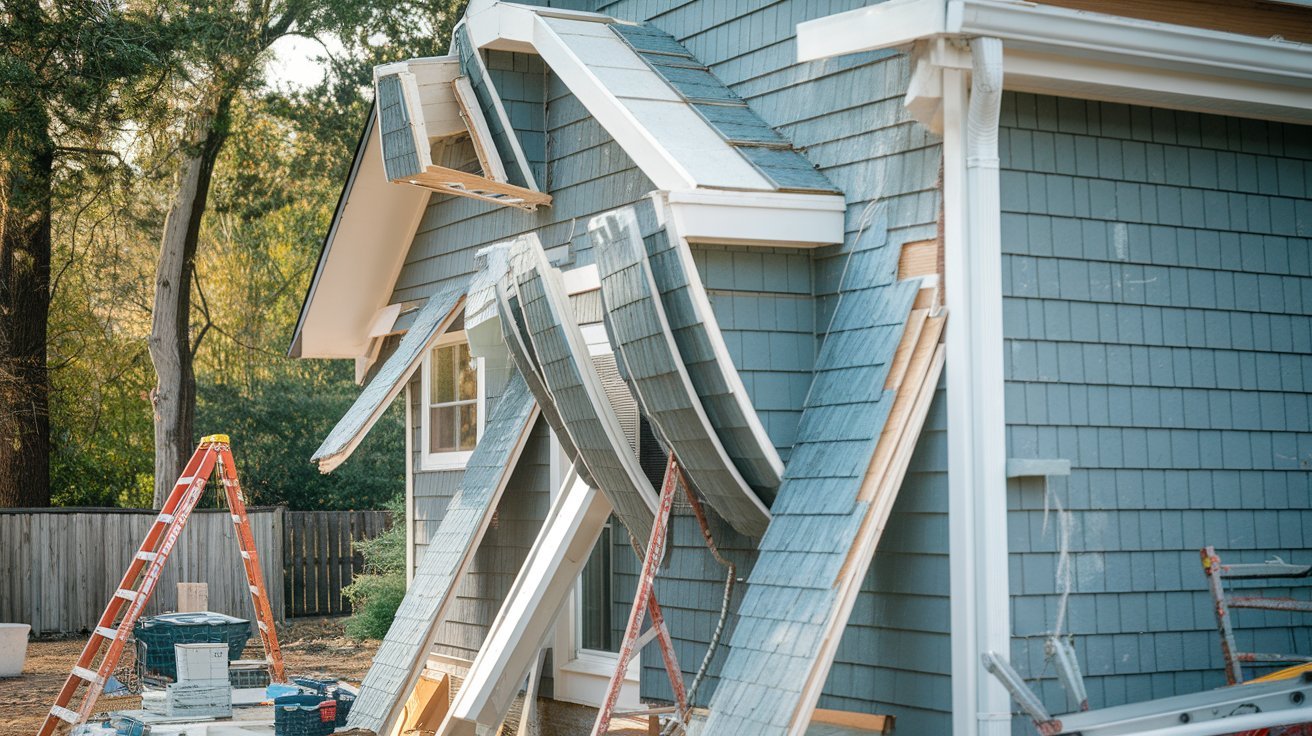
Hanging Hardie siding is a popular way to improve a home’s exterior with a durable, attractive, and relatively low-maintenance cladding system. James Hardie siding is made from fiber cement, a material designed to provide the appearance of traditional wood siding while offering strong resistance to moisture, pests, and everyday weather exposure. However, achieving a professional result requires more than simply attaching boards to a wall.
Whether we are planning a complete exterior renovation or replacing damaged siding, understanding the correct Hardie siding installation process, fastening requirements, starter strips, flashing, spacing, cutting, and finishing details is essential. James Hardie recommends that full siding installations be handled by experienced siding professionals because correct installation directly affects appearance, durability, and warranty protection.
What Is Hardie Siding and Why Is Proper Hanging Important?
Hardie siding commonly refers to James Hardie fiber cement siding, including products such as HardiePlank lap siding, HardiePanel, HardieShingle, and related trim products. Among these, HardiePlank lap siding is especially recognizable because individual horizontal boards overlap to create a traditional siding appearance.
Unlike lightweight vinyl siding, fiber cement siding is a substantial building product that must be supported and fastened correctly. Proper hanging ensures that each plank remains aligned, securely attached, and capable of handling normal expansion, contraction, wind, and moisture exposure.
Hardie siding is also marketed for its durability and low-maintenance characteristics. James Hardie states that its siding is noncombustible and designed to resist moisture-related damage and pests such as termites and woodpeckers. Its current product information also lists a 30-year non-prorated limited, transferable substrate warranty for applicable siding products.
What We Need Before Hanging Hardie Siding
A successful installation begins before the first plank reaches the wall. We should inspect the existing exterior, framing, sheathing, and moisture-management system before installing new siding. Any damaged sheathing or structural problems should be corrected first.
The wall should have the appropriate water-resistive barrier (WRB) and flashing system installed according to the product instructions and local building requirements. James Hardie’s installation guidance emphasizes that the exact instructions can vary by product and climate zone, so we should always use the current instructions applicable to the specific siding being installed.
Useful tools include a tape measure, level, chalk line, speed square, smooth-faced hammer, siding or pneumatic nailer, appropriate cutting equipment, and a lap gauge. James Hardie notes that pneumatic fastening equipment is highly recommended by professionals, although products can also be hand-nailed when the specified installation requirements are followed.
Safety is particularly important when cutting fiber cement. We should follow the manufacturer’s cutting and dust-control recommendations and use appropriate personal protective equipment.
How to Hang HardiePlank Lap Siding Step by Step
The installation sequence is important because each course of siding depends on the one beneath it.
First, we install the starter strip at the bottom of the wall. James Hardie explains that HardiePlank lap siding requires a starter strip beneath the first course. A starter can be made from an appropriate ripped section of HardiePlank or another approved option.
Next, we install the first course while maintaining the specified alignment and clearances. A perfectly level first course is critical because even a small error at the bottom can become increasingly visible as additional rows are installed.
After the first row is secured, subsequent boards are positioned so that they overlap consistently. We should use a level and chalk lines to maintain straight courses. For long walls, butt joints need careful planning. James Hardie recommends staggering joints between successive courses rather than creating a repetitive vertical pattern.
Each plank should be fastened according to the current Hardie installation instructions, including the specified nail type, location, spacing, and penetration. Hardie states that approved corrosion-resistant, galvanized, or stainless-steel fasteners should be used, with spacing determined by the applicable requirements and wind-load tables.
Blind Nailing, Face Nailing, and Fastener Placement
One of the most important decisions when hanging Hardie siding is the fastening method. Blind nailing is James Hardie’s preferred technique for many applications because the fasteners are concealed by the overlapping course above. This creates a cleaner, more seamless appearance.
However, face nailing may be required in certain applications, particularly where local building codes or high-wind conditions dictate it. We should never choose a fastening pattern simply because it looks convenient. The appropriate method depends on the product, climate zone, wall construction, wind requirements, and local code.
Fasteners should also be driven correctly. Overdriving can damage the siding, while underdriving can interfere with the overlapping course and finished appearance. James Hardie specifically recommends using fasteners approved for its products and following the applicable installation requirements.
Flashing, Butt Joints, Corners, and Windows
Good moisture management is just as important as fastening. Butt joints between siding boards are areas where water could potentially enter if they are installed incorrectly.
James Hardie recommends flashing behind lap-siding butt joints and gives guidance involving 6-inch-wide flashing with a 1-inch overlap onto the course below, while also noting that local codes may require different dimensions. The flashing should be waterproof, durable, and compatible with cement-based products.
Windows, doors, inside corners, outside corners, and other transitions require equally careful detailing. We should follow the specific manufacturer’s instructions rather than improvising gaps or sealant locations.
In 2026, James Hardie is also promoting its Trim-Over™ installation method, in which siding is installed before certain trim components. The method can reduce the amount of caulking required and is presented by James Hardie as an approved installation approach for applicable products.
Common Mistakes When Hanging Hardie Siding
Several installation mistakes can reduce the quality and longevity of a Hardie siding project. One common problem is failing to establish a perfectly level first course. Another is using the wrong nails, incorrect fastening positions, or improper spacing.
We should also avoid creating a continuous vertical line of butt joints. Proper staggering produces a more natural appearance and can help distribute joints across the wall. Another frequent mistake is ignoring flashing around joints, windows, doors, and transitions.
Cutting and handling deserve attention as well. Fiber cement can be damaged by careless handling, and finished ColorPlus® Technology products should be protected from unnecessary scratching and marring during installation. James Hardie recommends specific handling practices, including leaving protective laminate in place during certain cutting and fastening operations and removing it after installation.
Finally, using generic installation instructions for the wrong product or climate zone can create problems. We should always verify the exact Hardie product, installation guide, climate zone, and local building code before beginning.
Is Hanging Hardie Siding a DIY Project?
Technically, some homeowners with advanced construction experience may be capable of installing fiber cement siding. However, full-house Hardie siding installation is considerably more demanding than many basic DIY siding projects.
The material is heavier and less forgiving than some alternatives, and details involving flashing, fasteners, joints, windows, corners, and moisture management must be executed correctly. James Hardie specifically says that a full Hardie siding project is best undertaken by siding experts who understand fiber cement installation.
For a complete home, hiring an experienced installer can reduce the risk of alignment problems, damaged boards, water intrusion, improper fastening, and warranty complications. James Hardie says a typical siding installation can take approximately seven to 14 days, depending on the home’s size and whether repairs are required before installation.
Conclusion
Hanging Hardie siding correctly requires careful preparation, accurate measurements, proper starter strips, consistent overlaps, approved fasteners, correct flashing, and attention to moisture management. The quality of the installation is just as important as the quality of the siding itself.
For homeowners considering a 2026 exterior renovation, Hardie siding offers a combination of durability, low maintenance, curb appeal, and fiber-cement performance. By following the manufacturer’s current instructions and local building codes—and using an experienced installer when appropriate—we can achieve a clean, secure, and long-lasting exterior.
Frequently Asked Questions
1. Can we install Hardie siding ourselves?
Some experienced DIYers may be able to handle portions of the work, but James Hardie recommends experienced siding professionals for complete installations because fiber cement requires specialized installation knowledge.
2. What is the best way to hang HardiePlank siding?
For applicable installations, blind nailing is James Hardie’s preferred technique because the fasteners are concealed by the overlapping siding course. Exact fastening requirements must follow the product’s installation guide.
3. Does Hardie siding need a starter strip?
Yes. HardiePlank lap siding requires a starter strip beneath the first course.
4. Does Hardie siding require flashing?
Yes. Proper flashing is an important part of moisture management, including at siding butt joints and around relevant wall penetrations. The exact requirements depend on the product and local code.
5. How long can Hardie siding last?
Applicable Hardie siding products are backed by a 30-year non-prorated limited, transferable substrate warranty, although actual service life depends on installation, climate, maintenance, and other conditions.
Blog
Anne Kolb Center: Complete Guide to Trails, Wildlife, Kayaking, Tower, Aquarium, and 2026 Visits
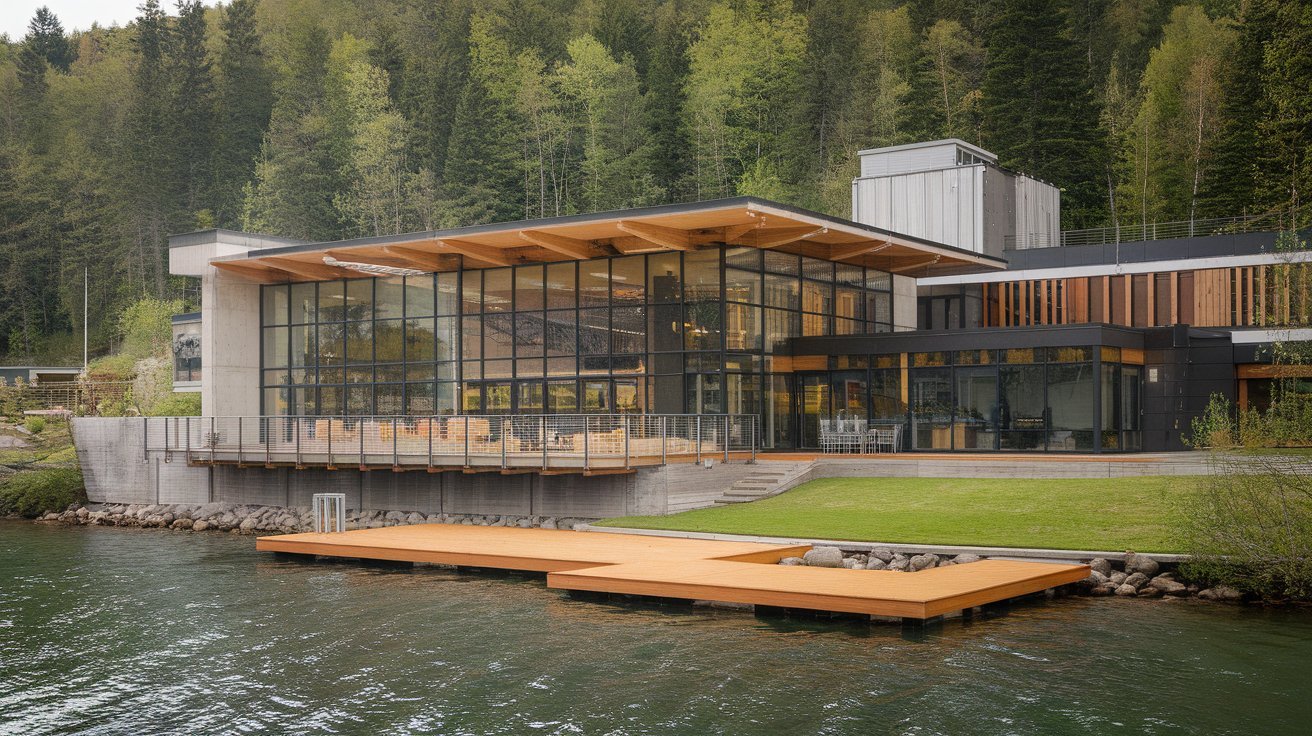
The Anne Kolb Center is one of the most distinctive nature attractions in Hollywood, Florida, offering visitors an opportunity to explore a large coastal mangrove ecosystem just minutes from the area’s famous beaches. Located at 751 Sheridan Street in Hollywood, the center operates within West Lake Park and provides access to mangrove habitats, nature trails, an observation tower, an exhibit hall, kayaking opportunities, fishing, educational programs, and community events.
Covering approximately 1,500 acres, the surrounding West Lake Park protects an important coastal wetland ecosystem. The site combines outdoor recreation with environmental education, making it suitable for families, photographers, bird-watchers, paddlers, students, and anyone looking for a quieter natural experience away from the busy beachfront.
What Is Anne Kolb Nature Center?
The Anne Kolb Nature Center is a nature and environmental education facility located inside West Lake Park in Hollywood, Florida. The property protects a substantial coastal mangrove estuary, providing habitat for plants, fish, birds, and other wildlife.
The nature center is named after Anne Kolb, an environmentalist who played an important role in helping preserve the area’s coastal mangrove wetlands from development. The Friends of Anne Kolb organization notes that her conservation efforts were instrumental in protecting the park.
The facility opened in 1996 after several years of planning and became one of the largest nature-center properties in the Broward County park system. County planning documents describe the site as approximately 1,501 acres, with mangrove communities extending along the Intracoastal Waterway.
Rather than being simply an indoor museum, Anne Kolb combines a nature center with an extensive outdoor landscape. Visitors can explore trails, view wildlife, climb the observation tower, visit the aquarium, paddle through mangrove waterways, and participate in educational activities.
Anne Kolb Nature Center Trails and Wildlife
One of the biggest attractions is the network of nature trails and boardwalks winding through the mangrove environment. The trails provide an accessible way to experience South Florida’s coastal ecosystem without needing a boat.
The current nature-center information describes almost five miles of combined boardwalk, paved, and shellrock trails, while other park materials describe approximately three miles of traditional nature trails. The difference reflects the way trail segments, loops, and park routes are counted, but the important point for visitors is that there are multiple routes through the mangrove landscape.
Wildlife sightings can include wading birds, fish, crabs, mangrove-associated species, and other South Florida wildlife. Visitors have reported seeing species such as ibises, ospreys, and little blue herons around the trails and wetlands.
The environment is particularly appealing to people interested in bird-watching and nature photography. Early mornings can provide comfortable temperatures and better conditions for observing wildlife. Binoculars and a camera with a moderate telephoto lens can be useful, although even casual visitors can enjoy the scenery.
The mangroves themselves are a major attraction. These coastal plants help stabilize shorelines and provide important nursery habitat for numerous aquatic species, making the park an excellent location for learning about South Florida’s interconnected wetland ecosystem.
68-Foot Observation Tower at Anne Kolb
The 68-foot observation tower is one of Anne Kolb Nature Center’s most recognizable features. The five-level tower provides elevated views across the mangrove canopy and West Lake, with views extending toward Port Everglades in the distance.
A major advantage is accessibility. Visitors can reach the upper levels using either stairs or an elevator, making the tower useful for a wider range of visitors. The open-air viewing areas provide a completely different perspective from the trails below.
For first-time visitors, the tower can also serve as a useful orientation point. Looking over the wetlands from above makes it easier to appreciate the scale of the mangrove ecosystem.
The top level can become noticeably windy, so carrying a light layer can be useful even on a warm South Florida day. The tower is included with a normal visit rather than requiring a separate tower ticket.
Exhibit Hall, Aquarium, and Environmental Education
The indoor Exhibit Hall and EcoRoom complement the outdoor trails by explaining the ecology visitors see around them. One of the centerpieces is a 3,500-gallon saltwater aquarium containing species associated with the surrounding mangrove estuary.
Interpretive displays explain how mangrove ecosystems function and introduce visitors to the plants and animals that depend on them. For younger visitors, the EcoRoom provides hands-on activities designed to make environmental science more engaging.
The center also supports school field trips, naturalist programs, and environmental education. Broward County’s educational programming includes activities covering mangrove ecology, sea turtles, manatees, plants, animals, and guided trail experiences.
This combination makes Anne Kolb particularly useful for families. Children can learn about an ecosystem indoors and then see the same concepts outdoors on the trails.
The exhibit hall also has a history of hosting local and regional art exhibitions, creating an interesting connection between environmental education and South Florida’s artistic community.
Kayaking, Canoeing, Fishing, and Outdoor Activities
Visitors interested in getting onto the water can explore the mangrove waterways by kayak, canoe, or paddleboard. The current facility information describes marked, color-coded paddling routes through the mangrove tunnels.
Paddling provides a perspective that cannot be experienced from the boardwalks. Narrow waterways pass between mangrove vegetation, creating opportunities to observe aquatic wildlife and coastal plants at close range.
Fishing is another activity available in the park. The Intracoastal fishing pier is reached by a paved quarter-mile trail. Fishing from the pier is catch-and-release only, and visitors must have a valid Florida fishing license; licenses are not sold at the nature center.
Cyclists should also check the specific trail rules. Bicycles are permitted on the shellrock South Trail, while bicycles and skating are not permitted on the boardwalk trails.
These varied activities make the park more than a traditional walking attraction. Visitors can choose between education, wildlife observation, hiking, paddling, fishing, photography, and simply enjoying the wetlands.
Anne Kolb Nature Center Hours, Location, and 2026 Planning
The nature center and exhibit hall are currently listed as open daily from 9 AM to 5 PM, while the surrounding West Lake Park grounds and trails are listed as operating from 8 AM to 6 PM daily.
The address is:
Anne Kolb Nature Center
751 Sheridan Street
Hollywood, FL 33019
Because individual programs and special events can have different schedules and fees, visitors should check current Broward County Parks information before traveling. The county’s 2026 event listings, for example, include scheduled programs at Anne Kolb Nature Center such as the Sea Turtles and Their Babies Program.
The exhibit hall and grounds are currently described as free admission, although particular programs, rentals, or activities may involve separate fees.
For a comfortable visit, we recommend bringing water, sunscreen, insect repellent, comfortable walking shoes, binoculars, and a camera. South Florida’s weather can change quickly, so checking the forecast before visiting is also sensible.
Visitors should remember that pets are not allowed on the nature center grounds or trails.
Why Anne Kolb Nature Center Is Worth Visiting in 2026
The Anne Kolb Nature Center remains an appealing destination because it combines several experiences in one location. We can spend an hour walking the mangrove trails, climb the observation tower for panoramic views, visit the aquarium and EcoRoom, or spend substantially longer exploring the waterways and participating in educational programs.
Its location is another advantage. The center is close to Hollywood Beach, yet its mangrove environment feels dramatically different from the developed beachfront. Broward County planning information notes that the park is less than a mile from Hollywood Beach’s famous Broadwalk, making it convenient to combine a nature visit with other Hollywood attractions.
The park’s environmental importance is perhaps its greatest value. Instead of simply displaying nature behind glass, Anne Kolb allows visitors to experience a living coastal ecosystem directly.
Frequently Asked Questions About Anne Kolb Center
Where is Anne Kolb Nature Center located?
It is located at 751 Sheridan Street, Hollywood, Florida 33019, within West Lake Park.
How large is Anne Kolb Nature Center?
The surrounding West Lake Park property is approximately 1,500 acres, making it one of the largest natural park areas in the Broward County system.
Does Anne Kolb Nature Center have an observation tower?
Yes. The park has a 68-foot, five-level observation tower accessible by stairs or elevator.
Is there an aquarium at Anne Kolb Nature Center?
Yes. The exhibit hall features a 3,500-gallon saltwater aquarium containing species associated with the surrounding estuary.
Can we kayak at Anne Kolb Nature Center?
Yes. Kayaks, canoes, and paddleboards can be used to explore marked routes through the mangroves, subject to current operating arrangements.
Are pets allowed?
The current FAQ states that pets are not allowed on the nature center grounds or trails.
Is Anne Kolb Nature Center free?
The current nature-center information lists free admission to the exhibit hall and grounds, although individual programs and activities may charge fees.
Conclusion
The Anne Kolb Center is one of South Florida’s most valuable destinations for experiencing a coastal mangrove ecosystem while remaining close to Hollywood’s urban and beach attractions. Its combination of 1,500 acres of wetlands, nature trails, a 68-foot observation tower, a 3,500-gallon aquarium, environmental exhibits, kayaking, fishing, and educational programs gives visitors many different ways to explore the area.
For a 2026 visit, the center is especially appealing to families, outdoor enthusiasts, photographers, bird-watchers, students, and travelers seeking something beyond the traditional beach experience. Whether we visit for a short nature walk or spend several hours exploring the trails and waterways, Anne Kolb offers an authentic look at the mangrove wetlands and wildlife of coastal South Florida.
Blog
2025 Subaru Outback Wilderness: Complete Guide to Off-Road Capability, Features, Performance, and Technology

The 2025 Subaru Outback Wilderness is built for drivers who want more capability than a conventional family crossover while still expecting everyday comfort, excellent cargo versatility, and modern technology. As the most rugged version of the 2025 Outback lineup, the Wilderness combines Subaru’s standard Symmetrical All-Wheel Drive, a turbocharged engine, increased ground clearance, all-terrain tires, enhanced X-MODE, and a distinctive adventure-focused design.
For 2026 buyers considering a remaining new model or a recent used example, the 2025 Outback Wilderness remains an appealing option because it occupies a unique position between a traditional wagon and an off-road SUV. It offers the comfort and road manners needed for commuting while adding meaningful upgrades for dirt roads, snow, mud, camping trips, and outdoor travel.
With 9.5 inches of ground clearance, 260 horsepower, 277 lb.-ft. of torque, and up to 3,500 pounds of towing capacity, the 2025 Subaru Outback Wilderness delivers significantly more rugged capability than many buyers expect from a midsize crossover.
2025 Subaru Outback Wilderness Exterior Design and Rugged Styling
The exterior of the 2025 Subaru Outback Wilderness immediately separates it from other Outback trims. Subaru designed this model with a more aggressive appearance that reflects its increased off-road capability.
The Wilderness features distinctive front and rear bumper designs, protective body cladding, black exterior trim, a unique grille, and matte black-finish wheels. Anodized Copper-finish accents provide another visual signature, while the available Geyser Blue exterior color gives the vehicle a particularly recognizable Wilderness appearance.
The SUV also features a matte-black anti-glare hood decal, which is designed to reduce reflected light for the driver. Hexagonal LED fog lights and protective lower-body components further reinforce the vehicle’s adventure-oriented character.
Dimensions also contribute to the Wilderness model’s presence. The 2025 Outback Wilderness measures approximately 191.3 inches in length, 74.6 inches in width, and 66.9 inches in height, with a 108.1-inch wheelbase. Its elevated stance is one of the most important differences compared with the standard Outback.
Rather than simply adding cosmetic accessories, Subaru combines the Wilderness styling with functional upgrades intended to improve real-world travel over rougher terrain.
Turbocharged Engine and 2025 Outback Wilderness Performance
Powering the 2025 Subaru Outback Wilderness is a 2.4-liter direct-injection turbocharged SUBARU BOXER engine producing 260 horsepower and 277 lb.-ft. of torque. The engine is paired with a high-torque Lineartronic CVT featuring an eight-speed manual mode with paddle shifters.
This turbocharged engine gives the Wilderness considerably stronger performance than the naturally aspirated engine used in many other Outback trims. The additional torque is particularly useful when carrying passengers and cargo, climbing steep roads, or towing.
Subaru also gives the Wilderness revised transmission gearing and a shorter final-drive ratio. These mechanical changes are intended to improve low-speed climbing and off-road response. Subaru states that the drivetrain is engineered to improve low-speed climbing capability on grades of up to 40%.
For everyday driving, the turbocharged engine provides responsive acceleration and useful passing power. For adventure-focused owners, it offers additional confidence when the road becomes steep, uneven, or heavily loaded.
The Symmetrical All-Wheel Drive system is standard. Subaru’s AWD layout is designed to continuously distribute power to support traction and stability in changing conditions, including rain, snow, loose surfaces, and uneven roads.
Off-Road Capability, Ground Clearance, and Enhanced X-MODE
The defining feature of the 2025 Subaru Outback Wilderness is its increased off-road capability.
The Wilderness provides 9.5 inches of ground clearance, compared with the standard 2025 Outback’s 8.7 inches. This additional clearance helps the vehicle travel over rocks, ruts, snow, and uneven surfaces with a reduced risk of underbody contact.
The model also features improved off-road geometry. The Wilderness has an approach angle of approximately 20.0 degrees, a departure angle of 23.6 degrees, and a breakover angle of 21.2 degrees. These changes help the vehicle clear larger obstacles compared with the standard configuration.
Underbody protection includes a front skid plate, while the suspension and bumper design support more adventurous driving.
Subaru equips the Wilderness with dual-function X-MODE, including settings designed for conditions such as dirt, snow, deep snow, and mud. The system is engineered to optimize traction and vehicle control when surface conditions become more difficult.
The combination of turbocharged power, AWD, additional ground clearance, revised gearing, and enhanced X-MODE makes the Outback Wilderness particularly appealing to drivers who regularly travel beyond paved roads.
All-Terrain Tires, Wheels, Roof Rails, and Outdoor Utility
The 2025 Subaru Outback Wilderness is equipped with 17-inch matte black-finish alloy wheels and Yokohama GEOLANDAR all-terrain tires. A full-size spare tire is also included, providing additional reassurance during remote travel and outdoor adventures.
Roof-carrying capability is another important strength. The Wilderness uses reinforced ladder-style roof rails with tie-down points and Anodized Copper-finish accents. Subaru lists a 700-pound static maximum roof rail load capacity, making the system suitable for certain roof-top camping setups when used according to manufacturer instructions and applicable limits.
This makes the Outback Wilderness particularly useful for:
- Camping trips
- Outdoor recreation
- Road trips
- Kayak and gear transport
- Roof-mounted equipment
- Appropriately rated roof-top tents
The vehicle also includes practical tow points and cargo-area features designed to support active lifestyles. Subaru’s approach is centered on giving owners flexibility to transition between weekday commuting and weekend exploration.
Interior Comfort, Cargo Space, and Wilderness-Specific Features
Despite its rugged focus, the 2025 Outback Wilderness interior remains comfortable and practical.
The cabin uses durable Gray StarTex water-repellent upholstery with a textured design, contrast stitching, and Anodized Copper-finish accents. This material is particularly appropriate for owners who frequently travel with muddy equipment, pets, outdoor clothing, or adventure gear.
Comfort features include a heated steering wheel, heated front seating, heated outboard rear seats, and an eight-way power-adjustable front passenger seat. A power moonroof is also included.
The Outback’s flexible rear seating uses a 60/40-split flat-folding design, allowing owners to adjust the cabin for passengers or cargo. The 2025 Outback platform offers up to 109 cubic feet of passenger volume, while maximum cargo capacity reaches 75.6 cubic feet with the rear seats folded.
Cargo capacity behind the rear seats is approximately 32.6 cubic feet, giving the Wilderness useful everyday storage space even when carrying passengers.
For families and outdoor enthusiasts, this combination of passenger space and flexible cargo capacity is one of the Outback Wilderness’s strongest advantages.
Technology, Navigation, and Premium Audio
The 2025 Subaru Outback Wilderness includes modern connectivity and infotainment technology designed for both daily driving and longer trips.
A standard 11.6-inch Subaru Multimedia Navigation System serves as the primary technology interface. The system includes wireless Apple CarPlay and Android Auto integration, allowing compatible smartphone applications, navigation, music, and communication features to be accessed more conveniently.
Wireless Bluetooth connectivity and hands-free smartphone operation further support everyday convenience.
For drivers who value premium sound, the Wilderness includes a Harman Kardon premium audio system with a 576-watt-equivalent amplifier and 12 speakers, including a center-channel speaker and subwoofer.
USB-C charging capability is also available across the Outback lineup, helping front and rear passengers keep compatible devices powered during longer trips.
The technology package gives the Wilderness a useful balance: it remains focused on outdoor capability while providing the digital features expected in a modern midsize SUV.
Safety, EyeSight Driver Assist Technology, and Towing Capability
Safety remains an important part of the 2025 Subaru Outback Wilderness package.
The model includes standard EyeSight Driver Assist Technology, which uses advanced monitoring systems to support functions including adaptive cruise control, lane-related assistance, and pre-collision braking features. Subaru states that EyeSight and other safety systems on the Wilderness have been calibrated to account for the model’s increased ride height and off-road modifications.
The Wilderness also includes features such as Blind-Spot Detection, Lane Change Assist, Rear Cross-Traffic Alert, and Automatic Emergency Steering, depending on system operating conditions and limitations.
For towing, the turbocharged Wilderness is rated for up to 3,500 pounds when properly equipped. This allows owners to pull appropriately sized trailers, small boats, and recreational equipment within the manufacturer’s limits.
As with any vehicle, towing capacity depends on proper equipment, trailer weight distribution, passenger and cargo load, and other operating factors.
Is the 2025 Subaru Outback Wilderness Worth Buying in 2026?
The 2025 Subaru Outback Wilderness remains a strong choice in 2026 for buyers who want a vehicle capable of handling both normal daily life and more demanding outdoor travel.
Its major advantages include:
- 260-horsepower turbocharged BOXER engine
- 277 lb.-ft. of torque
- Standard Symmetrical All-Wheel Drive
- 9.5 inches of ground clearance
- Dual-function X-MODE
- 17-inch wheels with all-terrain tires
- Full-size spare tire
- Up to 3,500 pounds of towing capacity
- Reinforced roof rails
- Durable water-repellent StarTex upholstery
- 11.6-inch touchscreen with navigation
- Wireless Apple CarPlay and Android Auto
- 12-speaker Harman Kardon premium audio
- Up to 75.6 cubic feet of cargo space
- Standard EyeSight Driver Assist Technology
For buyers who primarily remain on paved roads, another Outback trim may provide enough capability. However, for drivers who regularly encounter rough roads, snow, mud, trails, camping destinations, and outdoor equipment, the Wilderness upgrades provide meaningful benefits.
Conclusion
The 2025 Subaru Outback Wilderness is one of the most distinctive adventure-focused vehicles in the midsize SUV market. It combines the comfort and practicality of the Outback with genuine upgrades for more challenging conditions.
Its turbocharged engine, standard Symmetrical All-Wheel Drive, 9.5 inches of ground clearance, all-terrain tires, enhanced X-MODE, improved off-road angles, reinforced roof rails, and 3,500-pound towing capability create a package designed for drivers who want to travel farther beyond conventional roads.
At the same time, its spacious cabin, flexible cargo area, water-repellent upholstery, premium technology, and advanced safety features make it practical for everyday commuting and family travel.
For buyers looking for a rugged yet comfortable AWD vehicle in 2026, the 2025 Subaru Outback Wilderness remains an excellent choice for combining everyday versatility with genuine adventure capability.
Frequently Asked Questions About the 2025 Subaru Outback Wilderness
How much horsepower does the 2025 Subaru Outback Wilderness have?
The 2025 Outback Wilderness has a 2.4-liter turbocharged SUBARU BOXER engine producing 260 horsepower and 277 lb.-ft. of torque.
How much ground clearance does the Outback Wilderness have?
The 2025 Subaru Outback Wilderness offers 9.5 inches of ground clearance.
Can the 2025 Subaru Outback Wilderness tow a trailer?
Yes. When properly equipped, the Outback Wilderness has a maximum towing capacity of 3,500 pounds.
Does the 2025 Outback Wilderness have all-wheel drive?
Yes. Subaru Symmetrical All-Wheel Drive is standard on the 2025 Outback Wilderness.
What tires come with the 2025 Subaru Outback Wilderness?
The Wilderness is equipped with Yokohama GEOLANDAR all-terrain tires mounted on 17-inch matte black-finish alloy wheels.
How much cargo space does the 2025 Subaru Outback Wilderness have?
The Outback Wilderness provides approximately 32.6 cubic feet of cargo space behind the rear seats and up to 75.6 cubic feet with the rear seats folded.

Hanging Hardie Siding: A Complete Guide to Installing Fiber Cement Siding in 2026

Anne Kolb Center: Complete Guide to Trails, Wildlife, Kayaking, Tower, Aquarium, and 2026 Visits

Bay Window Installation: Complete 2026 Guide to Cost, Process, Design, and Professional Installation

Pyjamaspapper: The Complete Guide to Comfort, Style, and Better Sleep

Oversight vs Oversite: What’s the Difference? Correct Meaning, Usage, Examples, and Common Mistakes

Oversite or Oversight: What’s the Difference? Meaning, Correct Usage, Examples, and Common Mistakes
 Lifestyle3 months ago
Pyjamaspapper: The Complete Guide to Comfort, Style, and Better Sleep
- Business3 months ago
Oversight vs Oversite: What’s the Difference? Correct Meaning, Usage, Examples, and Common Mistakes
- Business3 months ago
Oversite or Oversight: What’s the Difference? Meaning, Correct Usage, Examples, and Common Mistakes
- Business3 months ago
kompama: A Complete Guide to Understanding Its Meaning, Purpose, and Potential
- Health3 months ago
Aleksandra Plus: A Complete Guide to Features, Benefits, and Uses
- Tech3 months ago
gadgetfreeks.com: A Complete Guide to Its Features, Content, and Growing Popularity
- Education3 months ago
Studiae: The Complete Guide to Academic Excellence, Learning, and Intellectual Growth
- Entertainment3 months ago
Play BattleSquare.com.The Complete Guide to Online Strategy Gaming